Sustainable Culinary Practices: Farm to Fork in High Country NC


The Rise of Farm to Fork
In recent years, the concept of "Farm to Fork" has gained significant traction, especially in High Country, North Carolina. This movement emphasizes the importance of sourcing ingredients locally, ensuring that produce is fresh, and supporting local farmers. It's not just a trend; it's a sustainable practice that benefits both the environment and the local economy.
By reducing the distance food travels, we can significantly decrease the carbon footprint associated with transportation. This practice also promotes biodiversity and helps preserve agricultural land in the region. Embracing farm-to-fork principles means enjoying meals that are not only delicious but also ethically sourced.
The Benefits of Local Sourcing
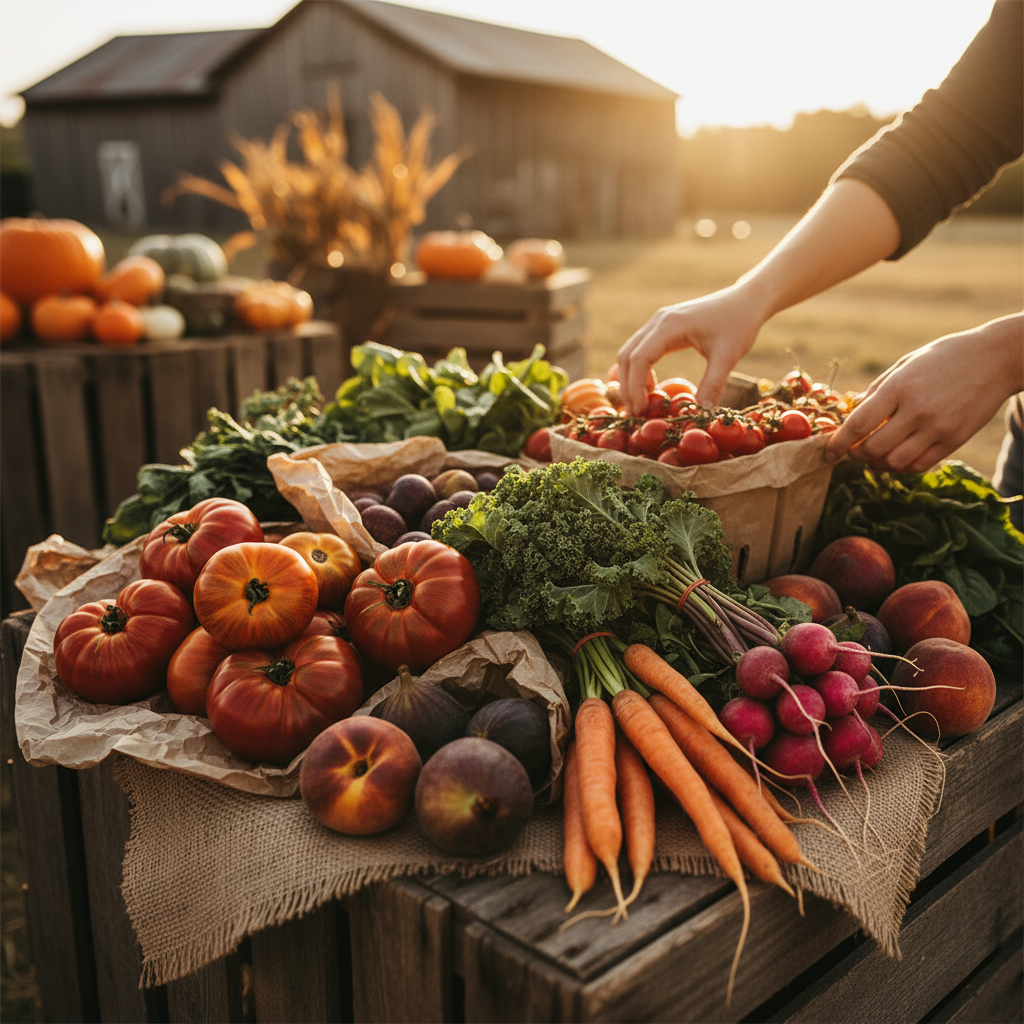
One of the main advantages of sourcing ingredients locally is the superior quality and freshness of the produce. When food is grown nearby, it can be harvested at its peak ripeness, resulting in unmatched flavor. Additionally, local sourcing supports farmers in the High Country, ensuring that they receive fair compensation for their efforts.
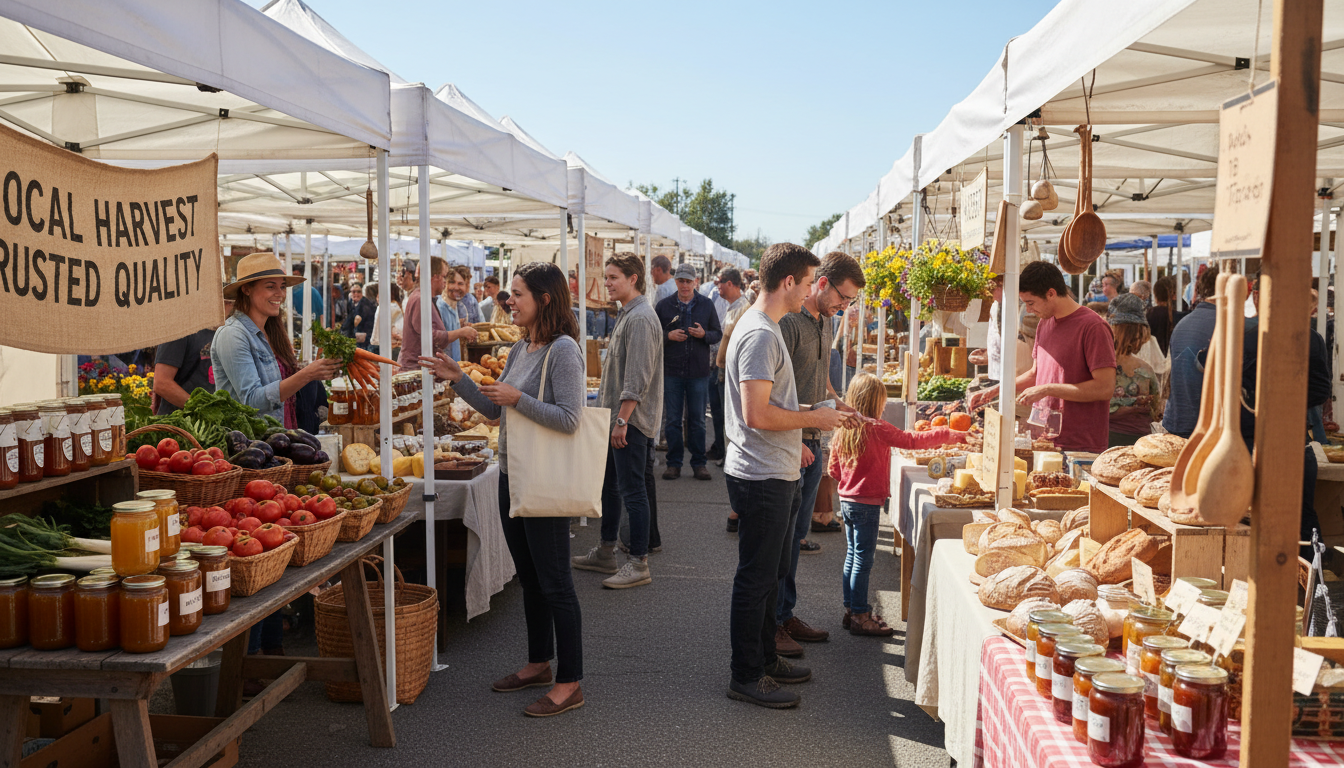
Restaurants and home cooks alike benefit from these practices. By choosing to buy from local farmers' markets or directly from farms, consumers strengthen community bonds and encourage sustainable agricultural methods.
Environmental Impact
Farm-to-fork practices significantly impact the environment. By minimizing the need for long-distance transportation, these practices cut down on greenhouse gas emissions. Furthermore, local farms often use sustainable farming techniques, such as crop rotation and organic farming, which help preserve soil health and reduce chemical runoff.
Support for local agriculture also helps maintain the scenic landscapes of High Country, ensuring that the natural beauty of the region is preserved for future generations.
Community and Economic Benefits
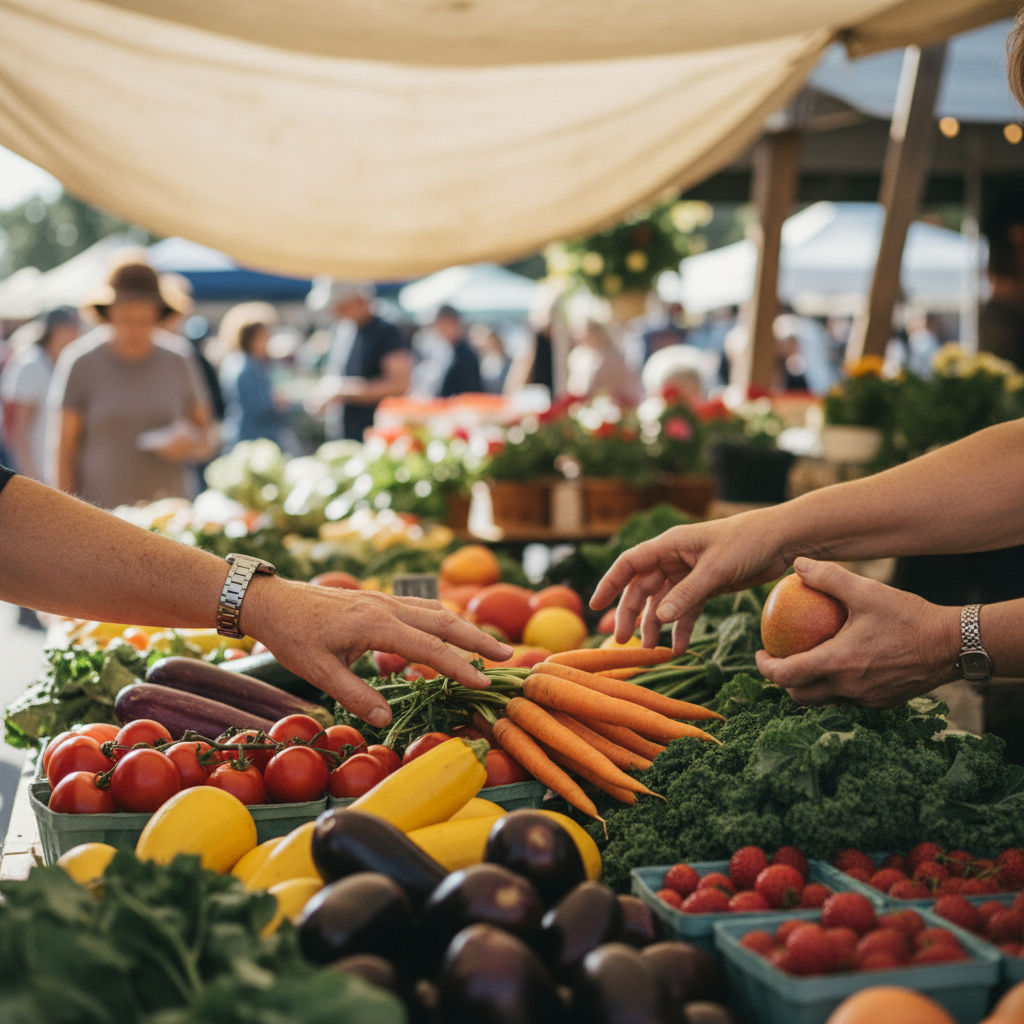
Beyond environmental advantages, farm-to-fork initiatives play a crucial role in boosting local economies. When consumers choose local produce, their money stays within the community, supporting jobs and fostering economic growth. This creates a resilient local food system that can withstand larger economic fluctuations.
Moreover, local food systems contribute to food security by reducing dependency on external supply chains. This resilience is particularly important in times of crisis, such as during natural disasters or economic downturns.
Embracing Farm to Fork in Your Kitchen
Integrating farm-to-fork practices into your daily routine can be both rewarding and straightforward. Here are some steps you can take:
- Visit local farmers' markets regularly to source fresh produce.
- Join a community-supported agriculture (CSA) program to receive seasonal produce directly from local farms.
- Grow your own vegetables and herbs if space allows.
By making these small changes, you can contribute to a more sustainable food system while enjoying the freshest ingredients available.
A Delicious and Sustainable Future
The farm-to-fork movement in High Country, NC, exemplifies how communities can come together to promote sustainability, economic growth, and health. As more individuals and businesses embrace these practices, the benefits will continue to multiply, paving the way for a brighter, more sustainable future.
Whether you're a chef, a home cook, or simply a food enthusiast, there's never been a better time to explore the rich flavors and meaningful impacts of farm-to-fork dining.